The Ultimate 2C Hair Care Routine, From Frizz to Fabulous - Zaphira Nature

روتين العناية بالشعر 2C المثالي، من التجعد إلى الروعة

تم نشره بواسطة Hanane Bouchouicha في

إذا كان شعركِ يقع بين التموجات والتجعيدات - أكثر كثافة من خصلات الشعر المنسدلة، ولكنه ليس متماسكًا تمامًا - فقد يكون لديكِ شعر من النوع 2C. يُعرف هذا النوع من الشعر بتموجاته المحددة على شكل حرف S، والتي غالبًا ما تبدأ من الجذور مباشرةً، وتتميز بكثافة طبيعية. بفضل مزيجه من الملمس والحركة، يمكن أن يبدو شعر 2C جريئًا وكثيفًا دون عناء. ومع ذلك، فإنه يواجه أيضًا تحدياته الخاصة، مثل التجعد والجفاف، وصعوبة تحديد الشعر أو تشابكه أحيانًا.

في هذا الدليل الشامل لشعر 2C، سنغطي كل ما تحتاجين معرفته، بدءًا من تحديد نوع شعركِ وفهم خصائصه الفريدة وصولًا إلى وضع روتين مثالي للعناية به. ستتعرفين أيضًا على المنتجات الأنسب لشعر 2C، وستكتشفين نصائح تصفيف تُعزز تموجات شعركِ الطبيعية مع تقليل الصعوبات الشائعة. سواء كنتِ قد بدأتِ رحلة العناية بشعر 2C أو كنتِ ترغبين في تحسين روتينكِ، سيساعدكِ هذا الدليل المُعتمد من قِبل الخبراء على العناية بشعركِ ذي الملمس الخشن والاعتناء به بثقة.

ما هو شعر 2C؟

الشعر من النوع 2C هو الأكثر كثافةً وكثافةً بين أنواع الشعر المموج. يتميز بخصلات سميكة وخشنة وتموجات قوية وواضحة على شكل حرف S، تبدأ غالبًا من الجذور. قد تُشكّل هذه التموجات أحيانًا تجعيدات فضفاضة، مما يمنح شعر 2C مظهرًا حيويًا وكثيفًا. على عكس شعر 2A أو 2B، يميل شعر 2C إلى كثافة أكبر وتجعد طبيعي، مما يجعله جميلًا، وأحيانًا ما يكون من الصعب تصفيفه بدون المنتجات والروتين المناسبين.

إذا كان شعرك يشكل موجات أو تجعيدات ناعمة مباشرة من فروة الرأس ويميل إلى التجعد بسهولة في الرطوبة، فهناك احتمال كبير أن يكون لديك شعر 2C.

كيف يختلف شعر 2C عن أنواع الشعر الأخرى؟

لفهم مكانة 2C في نظام تصنيف الشعر، من المفيد إلقاء نظرة على التصنيف الكامل:

  • النوع الأول (مستقيم) : لا يوجد تموج أو تجعيد؛ يكون مسطحًا من الجذور إلى الأطراف.
  • النوع الثاني (المتموج) : يتميز بموجات على شكل حرف "S". وينقسم إلى:
    • 2A : تموجات دقيقة وفضفاضة، وغالبًا ما تكون أكثر تسطحًا عند الجذور.
    • 2B : موجات متوسطة ذات ملمس أكثر وتجعد خفيف.
    • 2C: موجات خشنة وسميكة قد تشبه تجعيدات الشعر الناعمة وتبدأ من الجذور.
  • النوع الثالث (المجعد): تجعيدات حلزونية أو مجعدة ذات مرونة وحجم أكبر.
  • النوع الرابع (المتعرج/المجعد): تجعيدات ضيقة أو لفائف متعرجة ذات انكماش كبير.


شعر 2C مقابل شعر 2B: يتميز شعر 2B بتموجات خفيفة في منتصف الشعر وتجعد معتدل، بينما يتميز شعر 2C بتموجات أكثر وضوحًا أو تجعيدات فضفاضة من الجذور إلى الأطراف، وهو أكثر كثافة وعرضة للتجعد. غالبًا ما يتطلب ترطيبًا أكثر، ومنتجات تصفيف أغنى، وتحكمًا أقوى في التجعد.

كيف يبدو شعر 2C؟ المظهر والملمس

يتميز شعر 2C بكثافة وكثافة طبيعية. عادةً ما تكون تموجاته مشدودة وتبدأ من فروة الرأس مباشرةً، مما يُعطي مظهرًا أشعثًا أو مجعدًا دون الحاجة إلى أدوات حرارية. يمكن أن تتكتل هذه التموجات لتشكل أنماطًا حلزونية، خاصةً في البيئات الرطبة.

من حيث الملمس، فإن الشعر من النوع 2C هو:

  • سميكة وخشنة، غالبًا ذات كثافة خيوط عالية
  • كثيف بشكل طبيعي، وخاصة عند الجذور
  • عرضة للتجعد ويمكن أن يتفاعل مع الرطوبة
  • من الصعب فرد الشعر بدون أدوات حرارية
  • بحاجة إلى ترطيب للمساعدة في الحفاظ على التعريف وتقليل الانتفاخ

بفضل نمط تموجاته القوية، يزدهر شعر 2C بفضل التوازن المثالي بين الترطيب والتحديد والتحكم بالتجعد. عادةً ما تركز نصائح تصفيف شعر 2C على تحديد نمط التجعد الطبيعي مع الحفاظ على كثافة وملمس الشعر، دون أن يبدو ثقيلًا أو دهنيًا.

اقرأ أيضًا: أفضل الزيوت للشعر المجعد

أفضل الزيوت للشعر المجعد في الإمارات

كيفية العناية بشعر 2C: روتين كامل لطقس الإمارات العربية المتحدة

يتميز شعر 2C بملمس رائع، مع تموجات غالبًا ما تكون مجعدة. يتميز بكثافة وشخصية مميزة، ولكن في ظل حرارة ورطوبة الإمارات العربية المتحدة، قد يكون عرضة للتجعد والجفاف والانتفاخ. لذلك، تتطلب العناية بشعر 2C هنا توازنًا بين الترطيب العميق والتحكم في التجعد وتحديد التموجات، دون تراكم كثيف.

يرشدك هذا الدليل خلال روتين يومي وأسبوعي مصمم خصيصًا لشعر 2C، مع وضع مناخ الإمارات العربية المتحدة واحتياجات العناية بالشعر في الاعتبار، حتى تتمكني من الحفاظ على تموجات شعرك محددة وناعمة ومشرقة بشكل طبيعي.

روتين العناية اليومي بالشعر 2C Hair

هدفك اليومي هو ترطيب وحماية وتحديد تموجات شعرك، مع الحفاظ على التجعد تحت السيطرة والحفاظ على الحجم:

  • التنظيف: اغسل شعرك كل يومين إلى ثلاثة أيام باستخدام شامبو خالٍ من الكبريتات، لطيف على فروة الرأس وفعال ضد التعرق والتلوث. قد تؤدي بيئة الإمارات العربية المتحدة إلى تراكم الرواسب، لذا فإن التنظيف اللطيف ضروري.
  • الترطيب: استخدمي بلسمًا غنيًا خاليًا من السيليكون، يُرطّب ويُنعّم شعركِ. ركّزي بشكل أساسي على منتصف طول الشعر وأطرافه لتجنب إرهاق الجذور.
  • بلسم يُترك على الشعر: يساعد الكريم أو الرذاذ خفيف الوزن الذي يُترك على الشعر على الاحتفاظ بالرطوبة طوال اليوم ويجهز تموجات شعرك للتصفيف - وهو أمر مهم بشكل خاص في البيئات الجافة والمكيفة.
  • منتجات تصفيف الشعر: اختاري منتجات مناسبة لتموجات الشعر، مثل كريمات تجعيد الشعر أو موسات تحديد الشعر. ابحثي عن تركيبات للتحكم في التجعد، تتحمل الرطوبة دون أن تُسبب تصلب الشعر.
  • التجفيف: يُفضّل تجفيف الشعر بالهواء للحفاظ على شكل التموجات، ولكن إذا لم يكن لديكِ وقت كافٍ، استخدمي ناشر هواء على حرارة منخفضة. اجمعي شعركِ لأعلى للحصول على شعر مرفوع وكثيف بشكل طبيعي.
  • نصيحة للتشطيب: بعد أن يجف، تجنبي التمشيط أو الفرشاة. افصلي التموجات بأصابعك إذا لزم الأمر.


روتين العناية بالشعر الأسبوعي لشعر 2C

مرة أو مرتين في الأسبوع، خذ روتينك خطوة أخرى للأمام مع خطوات العناية العميقة التالية:
غسول توضيحي: استخدمي شامبو توضيحي مرة واحدة في الأسبوع لإزالة بقايا التصفيف والعرق وتراكم المعادن من المياه العسيرة - وهي مشكلة شائعة في العديد من مناطق الإمارات العربية المتحدة.

  • الترطيب العميق: ضعي قناعًا غنيًا للشعر يُركز على الترطيب والإصلاح. اتركيه لمدة ١٠-١٥ دقيقة على الأقل للحصول على أفضل النتائج.
  • تعزيز البروتين: إذا كان شعرك ناعمًا للغاية أو مترهلًا أو يفتقر إلى المرونة، فجربي علاجًا بروتينيًا خفيف الوزن لاستعادة المرونة والقوة.
  • تدليك فروة الرأس: دلكي فروة رأسك بلطف أثناء الغسيل لتعزيز تدفق الدم وتعزيز نمو الشعر الصحي.

اقرأ أيضًا: أسباب تساقط الشعر المجعد

تساقط الشعر المجعد

نصائح لتقليل التجعد والحفاظ على تموجات الشعر

شعر 2C يُحب التحديد، لكنه يكره الاحتكاك الزائد والجفاف. إليكِ كيفية الحفاظ على تموجاته محددة وناعمة - حتى في المدن الساحلية الرطبة مثل دبي أو أبو ظبي:
جففي شعرك بمنشفة من الألياف الدقيقة أو قميص قطني - وليس بمنشفة عادية - لتقليل التجعد والاحتكاك.

  • ضعي المنتجات على الشعر المبلل أو الرطب، ثم اضغطي على شعرك لأعلى لتعزيز نمطه الطبيعي.
  • تجنب استخدام أدوات توزيع الحرارة الزائدة أو ذات الحرارة العالية، لأنها قد تسبب الانتفاخ والجفاف.
  • نامي على وسادة من الحرير أو الساتان للحفاظ على تحديد شعرك طوال الليل وتقليل الكسر.
  • تجنبي الزيوت الثقيلة أو زبدة الشعر السميكة، والتي قد تجعل شعرك دهنيًا في المناخات الحارة وتثقل تموجات الشعر.


منتجات 2C Hair الموصى بها في الإمارات العربية المتحدة – Zaphira Nature

في ظلّ مناخ صحراوي ذي حرارة درجتين مئويتين، يُعدّ اختيار المنتجات المناسبة أمرًا بالغ الأهمية. تُقدّم زافيرا نيتشر منتجات نظيفة وعالية الأداء تُعزّز ملمس الشعر دون مواد كيميائية قاسية.

  • منظف ​​الشعر الطبيعي زافيرا: خالي من الكبريتات، مثالي لإزالة السموم من الشعر بسبب العرق والغبار مع حماية الزيوت الطبيعية.
    منظف ​​لتجعيد الشعر، منظف مناسب لتجعيد الشعر، منظف لطيف لتجعيد الشعر، غسول مرطب لتجعيد الشعر، منظف طبيعي لتجعيد الشعر
  • Zaphira Nature Hydrating Leave-In: مثالي لترطيب الشعر يوميًا والتحكم في التجعد دون ثقل.
    بلسم للشعر المجعد، بلسم مرطب للشعر المجعد، بلسم لفك تشابك الشعر المجعد، بلسم خالٍ من الكبريتات، أفضل بلسم للشعر الطبيعي، بلسم للشعر المجعد والمموج، بلسم يترك على الشعر.
  • كريم زافيرا الطبيعي لتعزيز تجعيدات الشعر: يُحدد التموجات ويحافظ عليها ناعمة الملمس، دون أن تكون خشنة. مثالي لتصفيف الشعر في الطقس الدافئ.
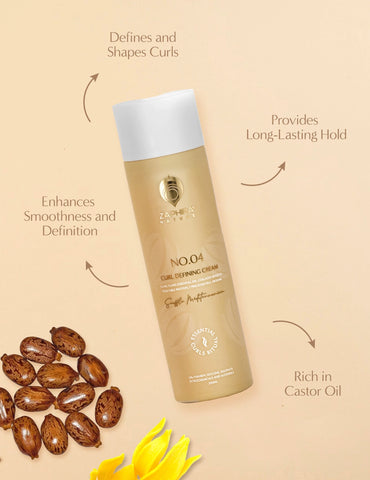
    كريم تجعيد الشعر، كريم تجعيد الشعر، كريم تحديد التجعيد، كريم تجعيد الشعر، كريم للشعر المجعد، كريم للشعر المجعد
  • قناع الإصلاح الأسبوعي من زافيرا نيتشر: علاج متوازن يحتوي على الترطيب والبروتين، مثالي لإحياء خصلات الشعر المتعبة والجافة.
    بلسم للشعر المجعد، بلسم لتصفيف الشعر المجعد، أفضل بلسم للشعر المجعد، بلسم للشعر، بلسم مجدد للشعر، بلسم للشعر التالف، بلسم طبيعي للشعر، بلسم مغذي للشعر، بلسم للتحكم في التجعد، بلسم ترطيب عميق للشعر، بلسم مرطب للشعر الجاف، علاج غني بالفيتامينات للشعر، بلسم لإصلاح الشعر المجعد.
  • مصل زافيرا الطبيعي المضاد للتجعد: خفيف وناعم، يحافظ هذا المصل على الشعر المتطاير دون أن يجعل شعرك يبدو مغطى أو دهنيًا.
    سيروم للشعر يحمي من الأشعة فوق البنفسجية، سيروم لمعان الشعر المجعد، سيروم لمعان الشعر المجعد، سيروم للتحكم في التجعد، سيروم مرطب للشعر، سيروم للشعر المجعد، سيروم لتعزيز التجعد، لمعان خفيف للشعر، حماية من الحرارة للشعر المجعد، سيروم غني بالفيتامينات


كل منتج في هذا الروتين يدعم التركيبة الفريدة لشعر 2C، ويساعده على النمو في ظروف الإمارات الدافئة، الجافة، أو الرطبة - سواءً كنتِ تواجهين حرارة الصحراء، أو الجفاف الناتج عن مكيف الهواء، أو رطوبة البحر. مع العناية المناسبة، ستبدو تموجاتك الطبيعية في أبهى صورها كل يوم.

كيفية تصفيف الشعر 2C: نصائح لزيادة الحجم والتحديد والتحكم في التجعد

يعتمد تصفيف الشعر من النوع 2C على احتضان قوامه الطبيعي مع التحكم في التجعد والحفاظ على كثافته. يتميز الشعر من النوع 2C بتموجاته الكثيفة والخشنة وتجعيداته المتقطعة، وهو الأكثر كثافةً في فئة الشعر المموج. غالبًا ما يتميز بنمط طبيعي قوي، ولكنه أيضًا عرضة للتجعد، خاصةً في المناخات الرطبة مثل الإمارات العربية المتحدة.

يرشدك هذا القسم خلال روتين تصفيف كامل مصمم خصيصًا لشعر 2C، من الطرق الخالية من الحرارة إلى نصائح المنتج، حتى تتمكني من الحفاظ على تموجات شعرك ناعمة ومحددة وكثيفة، دون تحويلها إلى تجعيدات ضيقة أو انتفاخ.

اقرأ أيضًا: أفضل منتجات العناية بالشعر المجعد والمضادة للتجعد

منتجات الشعر المجعد المضادة للتجمد

تصفيف الشعر بدون حرارة: حددي تموجات شعرك بشكل طبيعي

يتميز شعر 2C بتموجات متناسقة وتجعيدات مرنة، لذا لا يحتاج إلى أدوات حرارية عالية لإضفاء مظهر محدد. يساعد تقليل الحرارة على حماية شعرك من الجفاف، خاصةً في طقس الإمارات العربية المتحدة، حيث قد يؤدي التعرض للتكييف والشمس إلى جفافه.
جربي هذه التقنيات الخالية من الحرارة لتعزيز نمط تموجات شعرك الطبيعية:

  • التصفيف : بعد وضع البلسم وأداة التصفيف، لفي شعرك المبلل بقميص قطني لتعزيز تحديده وتقليل التجعد أثناء جفافه. هذه الطريقة تعزز كثافة الجذور وتحافظ على تماسك التموجات.
  • لفّي وجففي : لفي خصلات صغيرة من شعرك المبلل واتركيها تجف في الهواء أو باستخدام ناشر هواء بارد. بعد أن تجف، فكّي الضفائر وحرّكي تموجاتك للحصول على شكل ونعومة أفضل.
  • ضفائر ليلية : لإطلالة مميزة دون استخدام أدوات تصفيف، جدلي شعرك الرطب برفق قبل النوم. في الصباح، فكي الضفائر وافصلي التموجات برفق بأصابعك.
  • لف الشعر بالإصبع للتعريف : بالنسبة للمناطق التي تفقد شكلها بسهولة - مثل الجزء الأمامي أو الأطراف - لف أقسامًا صغيرة من الشعر الرطب حول إصبعك لتعزيز نمط الموجة أو التجعيد.


أفضل منتجات تصفيف الشعر 2C في مناخ الإمارات العربية المتحدة

نظرًا لأن شعر 2C أكثر سمكًا وملمسًا بشكل طبيعي، فإنه يمكنه التعامل مع منتجات أكثر ثراءً قليلاً من أنواع الشعر 2A أو 2B - لكنه لا يزال يحتاج إلى تركيبات لن تسبب تراكمًا أو تثقل الجذور.

ابحثي عن منتجات تصفيف الشعر التي تجمع بين الترطيب والثبات والحماية من التجعد، خاصة في ظل الحرارة والرطوبة الشائعة في الإمارات.

كريمات تجعيد الشعر : تساعد كريمات تجعيد الشعر الخفيفة إلى المتوسطة على ترطيب وتحديد تموجات شعرك دون تصلب.

جل بثبات خفيف أو متوسط : جل خالٍ من الكحول يُوفر تحكمًا مثاليًا ومقاومة للتجعد دون أي خشونة. مثالي لتثبيت تسريحتك في الهواء الرطب.

موس لزيادة الحجم : يمكن لموس رفع الجذور أن يضيف حجمًا لمنطقة التاج دون الإخلال بنمط تجعيد الشعر الطبيعي.

بخاخات ترطيب وتجديد تجعيدات الشعر : رائعة لتصفيف الشعر في اليوم الثاني لإعادة الحياة إلى تموجاتك دون الحاجة إلى إعادة غسلها.

نصيحة للاستخدام : ضعي منتجات التصفيف على شعر مبلل. استخدمي تقنية "اليدين المتصلتين" أو اجمعي المنتج للحصول على مظهر أكثر كثافة. ركّزي على منتصف طول الشعر حتى أطرافه، وتجنبي فروة الرأس للحفاظ على كثافة شعرك.

نصائح الخبراء لتصفيف الشعر 2C

للحصول على تموجات محددة وخالية من التجعد مع حجم طبيعي، جربي هذه التقنيات البسيطة ولكن الفعالة:

  • اقلبي شعرك أثناء التجفيف : اقلبي رأسك رأسًا على عقب أو إلى الجانب أثناء نشر الشعر لتشجيع الرفع عند الجذور.
  • قم بتجعيد شعرك للتخلص من التجعيدات (SOTC) : إذا ترك الجل لديك جبسًا، فانتظر حتى يجف شعرك تمامًا، ثم قم بتجعيده بلطف لكسر الجبس والكشف عن موجات ناعمة يمكن لمسها.
  • فكّي تشابك الشعر المبلل فقط : استخدمي دائمًا مشطًا واسع الأسنان أثناء الاستحمام، مباشرةً بعد وضع البلسم. فكّ تشابك الشعر الجاف من النوع 2C قد يُسبّب تجعدًا ويُفسد شكل تموجاته.
  • جففي شعركِ بمنشفة من الألياف الدقيقة أو تيشيرت : المناشف العادية تُخشن البشرة، مما يُسبب التجعد. جففي شعركِ برفق بمنشفة ناعمة للحفاظ على شكله.
  • النوم على الحرير أو الساتان : تعمل هذه الأقمشة على تقليل الاحتكاك والحفاظ على نمط تموجات شعرك سليمًا طوال الليل - وهو مثالي لسكان الإمارات العربية المتحدة الذين يتعاملون مع مكيف الهواء والهواء الجاف.

اقرأ أيضًا: كيفية حماية الشعر المموج من التلف

حماية الشعر المموج من التلف

الأسئلة الشائعة: ما يجب أن تعرفه عن الشعر من النوع 2C

قد يكون اختيار العناية بالشعر أمرًا صعبًا، خاصةً عندما يكون ملمس شعركِ بين التموجات والتجعيدات. إذا كان شعركِ من النوع 2C، فمن المرجح أنكِ تعانين من تموجات كثيفة ومحددة تُشكّل أحيانًا تجعيدات فضفاضة، بالإضافة إلى مشاكل شائعة مثل التجعد والتحكم في كثافة الشعر. سواء كنتِ غير متأكدة من كيفية تصفيف ملمس شعركِ الطبيعي أو تبحثين عن أفضل المنتجات في مناخ الإمارات العربية المتحدة المميز، فقد أجبنا على الأسئلة الأكثر شيوعًا حول الشعر من النوع 2C لمساعدتكِ على إدارة تموجات شعركِ وتحسينها والاعتناء بها بثقة.

ما هو نوع الشعر 2C؟

شعر 2C هو نوع شعر مموج يتميز بخصل سميكة وخشنة تُشكّل تموجات عميقة طبيعية مع بعض التجعيدات المنسدلة. يتميز هذا النوع من الشعر عادةً بكثافة وملمس أكبر من شعر 2A أو 2B، وغالبًا ما تبدأ التموجات من الجذور. في مناخ الإمارات العربية المتحدة الدافئ والرطب، قد يكون شعر 2C عرضة للتجعد، ولكنه يُضفي مظهرًا جميلًا وكثيفًا عند العناية به بشكل صحيح.

هل لا يزال 2C مجعدًا؟

يُعتبر شعر 2C مموجًا مع بعض العناصر المجعدة. ورغم أنه ليس مموجًا بإحكام كشعر النوع 3، إلا أن تموجات 2C غالبًا ما تختلط بها تجاعيد فضفاضة، خاصةً عند الأطراف. يمنح هذا الملمس الهجين شعر 2C مرونةً وكثافةً طبيعيتين، مما يميزه عن أنواع التموجات الأكثر انسيابية.

ما هي أفضل قصة شعر لشعر 2C؟

قصات الشعر المتدرجة هي الأنسب للشعر من النوع 2C، إذ تُقلل من حجمه وتُعزز تموجاته الطبيعية. تُحافظ الطبقات الطويلة على خفة الشعر ورونقه، بينما تُضفي الطبقات المُحددة للوجه شكلاً مُميزاً دون إثقال التموجات. في الإمارات العربية المتحدة، حيث تُسبب الرطوبة زيادة في كثافة الشعر، يُمكن لمصفف الشعر المُحترف تخصيص قصته للتحكم في التجعد وإضافة تحديد.

كيف تميز بين 2C و 3A؟

يتميز شعر 2C بتموجات كثيفة وعميقة قد تُشكّل أحيانًا تجعيدات فضفاضة، بينما يتميز شعر 3A بتموجات أكثر تحديدًا ومرونة تُشكّل تجعيدات أكثر إحكامًا. إذا كان شعرك يُشكّل تموجات واضحة ومتناسقة من الجذور إلى الأطراف، فمن المُرجّح أن يكون شعرك 3A. أما إذا كانت تموجاتك فضفاضة، تبدأ من منتصف الطول، وأحيانًا تكون مُختلطة بتجعيدات، فمن المُرجّح أن يكون شعرك 2C.

هل يجب عليّ تمشيط شعر 2C؟

لا يُنصح بتمشيط الشعر الجاف ذي درجة الحرارة 2C، فقد يُسبب ذلك تجعدًا ويُفسد نمط تموجاته الطبيعية. بدلًا من ذلك، فكّي تشابك شعركِ برفق باستخدام مشط واسع الأسنان أو أصابعكِ وهو مبلل ومُرطب. هذه الطريقة تُحافظ على تموجاته وتمنع تكسره، وهو أمرٌ ضروري في المناخات الحارة والجافة مثل الإمارات العربية المتحدة.

هل يمكن أن يكون شعر 2C مجعدًا؟

نعم، قد يُشكّل شعر 2C أحيانًا تجعيدات فضفاضة، خاصةً قرب الأطراف أو عند تصفيفه باستخدام منتجات تجعيد الشعر. مع ذلك، تميل هذه التجعيدات إلى أن تكون أكبر حجمًا وأقل تناسقًا من تلك الموجودة في أنواع الشعر المجعد الأكثر كثافة مثل 3A أو 3B.

ما هو نوع شعر الفتاة 2C؟

عادةً ما يكون شعر الفتاة ذات الشعر من النوع 2C كثيفًا ومموجًا مع بعض التجعيدات المنسدلة، مما يمنحه مظهرًا كثيفًا ومتماسكًا. يمكن لهذا النوع من الشعر أن يبدو طبيعيًا وحيويًا، وهو أمر شائع بين العديد من الشابات في الإمارات العربية المتحدة اللواتي يرغبن في تموجات طبيعية وحيوية دون تجعيدات ضيقة.

هل شعر 2C جيد؟

بالتأكيد! يتميز شعر 2C بتعدد استخداماته وكثافته الطبيعية، مما يجعله مثاليًا لمختلف التسريحات، من التموجات المنسدلة إلى التجعيدات الناعمة. مع العناية المناسبة والمنتجات المناسبة، يبدو شعر 2C صحيًا وحيويًا ونابضًا بالحياة، حتى في مناخ الإمارات العربية المتحدة القاسي.

هل يجب قص الشعر 2C وهو رطب أم جاف؟

بالنسبة للشعر من النوع 2C، يُفضّل قصّه عندما يكون جافًا أو رطبًا قليلًا. يتيح هذا الأسلوب لمصفف الشعر رؤية نمط التموجات والتجعيدات الطبيعي، مما يضمن زيادة حجمه وشكله دون قصّ الكثير من الطول أو زيادة حجمه.

كيف تنام مع شعرك من النوع 2C؟

لحماية شعركِ من التقصف طوال الليل، نامي على وسادة من الحرير أو الساتان لتقليل الاحتكاك ومنع التجعد. يمكنكِ أيضًا ربط شعركِ بشكل فضفاض على شكل ذيل حصان مرتفع أو تضفيره برفق للحفاظ على تموجات شعركِ وتقليل تشابكه، خاصةً في مناخ الإمارات العربية المتحدة الجاف.

كيف يمكنني أن أجعل شعري 2C يبدو جميلاً؟

عزّزي شعركِ من النوع 2C باستخدام منتجات مرطبة خفيفة، مثل كريمات تجعيد الشعر أو بخاخات ملح البحر، لتحديد تموجات الشعر والتحكم في تجعده. تجنبي الزيوت الثقيلة أو الزبدة التي قد تُثقل الشعر. جففيه بالهواء أو جففيه على درجة حرارة منخفضة، ثم أنهيه بسيروم خفيف مضاد للتجعد مناسب للبيئات الرطبة.

كيف أعرف أن شعري هو 2B أو 2C؟

يتميز شعر 2B بتموجات أكثر وضوحًا وانسيابية مع تجعد خفيف، وعادةً ما يبدأ من منتصف طوله. أما شعر 2C، فهو أكثر كثافة وخشونة، مع تموجات أقوى وتجعيدات فضفاضة تبدأ من الجذور. إذا كان شعرك كثيفًا وكثيفًا وملمسه أكثر خشونة، فمن المرجح أن يكون 2C.

هل يجب عليك تمشيط الشعر 2C؟

يُفضّل تجنّب تمشيط الشعر المصبوغ بالصبغة 2C وهو جافّ لمنع التجعد وتشويه شكل التموجات. فكّي التشابك برفق بمشط واسع الأسنان أو أصابعكِ عندما يكون شعركِ مبللاً ومُرَطّباً للحفاظ على تموجات سليمة وصحية.

هل يمكن أن يكون الشعر 2C جيدًا؟

عادةً ما يكون شعر 2C متوسطًا إلى كثيفًا. ورغم ندرة وجود شعر 2C ناعمًا، إلا أن بعض الأشخاص قد يمتلكون مزيجًا من الخصلات الدقيقة ذات نمط التموج المميز. بشكل عام، يتميز شعر 2C بكثافة وحجم أكبر مقارنةً بالأنواع المتموجة الدقيقة مثل 2A.

كيف أستعيد تجعيدات شعري 2C؟

استعيدي تجعيدات شعركِ الطبيعية بترطيبها بعمق بانتظام للحفاظ على رطوبتها ومرونتها. استخدمي شامبوهات خالية من الكبريتات لمنع الجفاف، وتجنبي التصفيف بالحرارة، وأنعشي تجعيدات شعركِ بكريمات تجعيد خفيفة أو بخاخات مائية. كما أن النوم على وسائد حريرية وقص الأطراف التالفة يساعد في الحفاظ على تجعيدات صحية في مناخ الإمارات العربية المتحدة.

اقرأ أيضًا: كيفية نمو الشعر المجعد

نمو الشعر القصير المجعد

الأفكار النهائية: احتضان وتعزيز شعرك 2C

يتميز شعر النوع 2C بنمط تموجات جريء ومُحكم، أقرب إلى التجعد - كثيف، كثيف طبيعيًا، وغالبًا ما يكون عرضة للتجعد، خاصةً في المناخات الرطبة مثل الإمارات العربية المتحدة. قد يبدو شعر النوع 2C صعب التحكم أحيانًا، إلا أنه مع العناية المناسبة، يُظهر تحديدًا وقوة وشكلًا رائعًا يبرز جماله.

يكمن سر العناية بالشعر 2C في التوازن والحماية:

  • ترطيب عميق لمكافحة الجفاف والتجعد
  • تنظيف يحافظ على الرطوبة دون تراكم
  • روتينات التصفيف التي تحدد الموجات دون التغلب عليها

من تحديد خصائص شعر 2C إلى صياغة روتين يدعم جسمه وبنيته الطبيعية، يقدم لك هذا الدليل الأدوات المتخصصة لعلاج موجاتك بغرض وعناية.

تذكري: ينمو شعر 2C بشكل أفضل عند التعامل معه بلطف وحرص. بتجنب السيليكونات الثقيلة، وتقليل استخدام الحرارة، واستخدام منتجات غنية بالرطوبة وخفيفة الوزن، تسمحين لشعرك الطبيعي بالازدهار.

سواءً كنتِ تُعيدين تعريف روتين شعركِ أو بدأتِ للتو في فهم نمط تموجاته، فإنّ تكريم قوام شعركِ الطبيعيّ هو احتفالٌ بجمالكِ الطبيعيّ. باتباع النهج الصحيح، يُمكنكِ الحصول على شعرٍ مُحدّدٍ وحرٍّ، قويّ، مُشرق، وفريدٍ من نوعه.

People Also Ask

Type 2C hair is the waviest category in the Type 2 hair classification. It usually has defined S-shaped waves that begin closer to the roots and may form loose spirals in some areas. Compared with 2A and 2B hair, 2C hair often has more volume, a stronger wave pattern, and a greater tendency to frizz. Although 2C hair is commonly classified as wavy, it can look curly, especially when wet or styled with products that support definition. Your hair may also have a mix of patterns, such as looser waves around the crown and tighter bends near the ends. The most important thing is not to rely on the hair type number alone. Hair thickness, porosity, density, damage, and styling habits all influence how your waves behave.
Layered haircuts often work well for 2C hair because they can remove excess bulk, encourage movement, and help waves form more naturally. Long layers may suit longer hair, while a textured bob or shoulder-length cut can create a fuller shape. The best cut depends on your density, strand thickness, preferred length, and whether you want volume or a more elongated look. Very heavy, blunt cuts can sometimes make waves appear less defined, while excessive layering may create unwanted volume or uneven shapes. Both wet and dry cutting techniques can work. Wet cutting allows a stylist to make precise sections and lengths, while dry cutting can help them assess how your natural waves fall and shrink. Because wavy hair can change length as it dries, a stylist experienced with textured hair may choose to use both techniques.
You can brush 2C hair, but the timing and technique matter. Brushing dry waves can separate their natural clumps, increase frizz, and make the hair look puffier than expected. For easier detangling, apply conditioner and use your fingers or a wide-tooth comb, starting at the ends and gradually working upwards. Avoid pulling through knots or forcing a comb through resistant sections. If you prefer brushing, do it gently while the hair is wet and sufficiently conditioned. Once you have styled your waves, minimise brushing and use your fingers to reshape individual sections when needed.
Fine hair refers to the diameter of each individual strand. Thin hair usually refers to lower density, meaning fewer strands across the scalp. These are different characteristics, and 2C hair can be fine, thick, dense, or sparse. Fine 2C hair may form beautiful waves but lose volume quickly when exposed to heavy creams, oils, or excessive product layering. It often benefits from lightweight conditioning, small amounts of styling product, and careful application near the roots. If your concern is a noticeable increase in shedding, widening part, or sudden reduction in density, do not assume it is simply your hair type. Consider consulting a qualified healthcare professional or dermatologist.
There is no reliable, universally accepted statistic establishing how rare 2C hair is. Hair patterns vary widely between individuals and populations, and many people have a combination of wave and curl patterns. Some people may have strong waves at the back of the head and looser waves around the front. Others may notice that their pattern changes with length, humidity, styling, or damage. Rather than worrying about how common your hair type is, focus on identifying the characteristics that affect your routine, including strand thickness, scalp condition, porosity, and how your hair responds to different products.
Many people with 2C hair find that washing a few times per week works well, but there is no universal schedule. The right frequency depends on scalp oiliness, sweat, product use, climate, and how quickly buildup develops. If your scalp becomes greasy, itchy, or uncomfortable, you may need to cleanse more frequently. If your hair feels dry, you may need to review your shampoo, conditioner, water temperature, and styling routine rather than simply extending the time between washes. During washing, concentrate cleanser on the scalp and allow the lather to rinse through the lengths. Condition the mid-lengths and ends, and avoid rough rubbing with a towel. In hot, humid environments such as Dubai, sweat and styling-product residue may influence how often you prefer to wash.
For many people with 2C hair, styling while the hair is wet or evenly damp helps waves form in more consistent clumps. Start with a lightweight leave-in or curl cream if your hair needs extra softness, then add a product that provides the hold you want. Scrunch from the ends towards the roots rather than repeatedly combing through the hair. If your waves separate easily, try styling in sections to distribute the product more evenly. Allow the hair to dry without repeatedly touching it. If you diffuse, use a gentle airflow and avoid moving the hair around too much. Once completely dry, gently scrunch away any firm cast left by your styling product, if the product forms one.
Neither gel nor mousse is automatically better for every 2C hair type. The best choice depends on whether you prioritise hold, volume, softness, or humidity resistance.For 2C hair, the choice between gel and mousse depends on your hair’s needs. Gel is a good option if you want more definition and longer-lasting hold, while mousse may be better if you prefer lightweight styling and extra volume. If your hair is fine or gets weighed down easily, mousse may be a good starting point. Curl cream is another option if your hair needs extra softness and conditioning, but using too much can make your waves look flat. You can also combine products, such as applying a small amount of curl cream followed by gel. Start with one product at a time to see what works best for your 2C waves.
Some common mistakes can make 2C hair look less defined or feel harder to manage. Brushing the hair when it is dry and expecting the waves to remain intact. Applying too much rich cream or oil, particularly to fine strands. Using too many products without checking whether they work well together. Touching or scrunching the hair repeatedly while it dries. Ignoring scalp buildup because the lengths feel dry. Choosing a routine based only on curl type instead of considering porosity and strand thickness. Using excessive heat or rough towel-drying. Assuming every instance of frizz means the hair needs more moisture. The solution is not necessarily to buy more products. A simpler routine, gentler handling, and better product distribution can make a noticeable difference.
Low-porosity hair has a structure that tends to resist water absorption and can take longer to become fully wet or dry. People with low-porosity 2C hair may find that heavy products sit on the surface, leaving the waves coated or limp. A practical approach is to use a gentle cleanser, a conditioner that rinses cleanly, and modest amounts of styling products. Apply products evenly and avoid layering several rich formulas simply because the hair appears dry. Low porosity does not automatically mean that hair is healthy or unhealthy, nor does it determine strand thickness. If your hair feels coated or takes a long time to absorb products, review your routine before adding more oils or creams.
High-porosity hair tends to absorb water readily and may also lose moisture more quickly. This can be associated with naturally higher porosity or with damage from colouring, heat styling, weathering, or rough handling. High-porosity 2C hair may feel rough, tangle easily, or struggle to maintain smoothness and definition. Gentle conditioning, reduced heat exposure, and a styling product that helps hold the waves together may improve manageability. However, frizz and dryness alone cannot confirm high porosity. Look at how your hair behaves over time, including how it absorbs water, responds to conditioning, and handles styling. Avoid relying on a single at-home test as a definitive diagnosis of porosity.
Frizz can develop when individual strands separate from the natural wave pattern. Dryness, humidity, damage, friction, and uneven styling-product distribution can all contribute. To reduce frizz without flattening your waves, try these adjustments: Condition the lengths without overloading the roots. Apply styling products evenly to wet or damp hair. Scrunch gently to encourage wave clumping. Dry with a microfibre towel or a soft cotton T-shirt rather than rubbing with a rough towel. Limit unnecessary brushing and touching during drying. Use a suitable hold product to help waves maintain their shape. If your hair becomes frizzy in humid weather, experiment with a styling product that provides sufficient hold. More oil or cream is not always the answer, especially if your roots already look flat.
Dry-feeling 2C hair may be affected by frequent cleansing, harsh products, heat styling, chemical treatments, friction, or insufficient conditioning. The natural bends in wavy hair can also make the lengths and ends feel different from the roots. Begin by reviewing your cleanser and conditioning routine. Apply conditioner where it is most needed, handle tangles gently, and reduce unnecessary heat. If your hair feels rough despite regular conditioning, check whether product buildup or damage is affecting how it responds. Dryness does not always mean your hair needs more oil. Oils can help with lubrication and softness, but they do not replace water or correct every cause of dryness. Choose products based on how your hair responds rather than adding multiple treatments at once.
If your 2C hair has become less wavy, consider whether buildup, repeated heat styling, chemical processing, changes in length, or a shift in your routine could be affecting its appearance. Start by simplifying your routine. Cleanse the scalp and lengths appropriately, condition without overloading the hair, and use a styling product that supports your natural pattern. Try scrunching on wet hair and reducing heat exposure while you observe the results over several wash days. If heat or chemical damage is involved, the existing hair may not return completely to its previous pattern. Damaged lengths may need time to grow out, and a haircut may help remove the most affected sections. Sudden changes accompanied by significant shedding or scalp symptoms deserve professional assessment.
Flat roots can result from naturally straighter root sections, heavy styling products, excess scalp oil, product buildup, or the weight of longer hair. Try applying conditioner mainly to the lengths and ends, using smaller amounts of cream near the scalp, and distributing styling products evenly. While the hair is wet, lift the roots gently with your fingers or use root clips during drying if they suit your styling routine. A diffuser can also help create lift when used carefully. Avoid repeatedly touching the roots as the hair dries, because this can disrupt the developing wave pattern. If flatness is accompanied by scalp discomfort or persistent residue, review your cleansing routine.
The best curl cream depends on your strand thickness, density, porosity, and styling goals. Fine 2C hair may respond better to a lighter formula or a very small amount, while thicker or drier hair may benefit from a more conditioning product. Look at how the formula fits into your full routine rather than judging it by the word curl on the label. If your hair needs softness, a cream may help. If your waves fall apart quickly, you may also need a product that offers more hold.
Product layering works best when each product has a clear purpose. For example, you might use a conditioner for detangling, a small amount of cream for softness, and a gel or jelly for hold. Apply products evenly and observe whether they work well together. Too many layers can leave residue, reduce volume, or cause the waves to separate. If you notice flakes, stiffness, or a coated feeling, try reducing the number of products and testing each one separately. For a simple starting point, condition your hair, apply one styling product, scrunch, and dry. Add a second styling layer only if you can identify what your hair is missing.
Detangle 2C hair when it has enough slip from conditioner or another suitable detangling product. Divide thicker hair into sections and start at the ends, working gradually towards the roots. Use your fingers or a wide-tooth comb, and pause when you encounter a knot rather than pulling through it. Rushing through tangles can cause breakage and disrupt the natural wave pattern. After detangling, rinse as directed and style with minimal further manipulation. The aim is to remove knots while keeping the strands grouped in their natural pattern, not to force every section into a uniform shape.
Product buildup can make 2C hair feel coated, dull, sticky, or unusually flat. You may also notice that products no longer distribute as easily or that your waves lose definition despite following your usual routine. Start by reviewing how much styling product you use and how thoroughly you cleanse your scalp. If a regular wash does not remove the residue, a clarifying cleanser used according to its instructions may be appropriate. Follow with a conditioner if the lengths need it. Avoid aggressive scrubbing or frequent clarifying simply to make the hair feel extremely clean. The right frequency depends on your scalp, products, and how much residue accumulates. If the problem continues, review the ingredients and layering of your styling products.
Water temporarily groups strands together, making waves appear smoother and more defined. As the hair dries, those groups can separate because of handling, humidity, damage, or insufficient styling hold. To help your waves keep their shape, distribute a suitable styling product evenly while the hair is wet or damp. Scrunch gently, avoid repeatedly touching the hair during drying, and allow it to dry fully before assessing the final result. If your waves look defined while wet but lose shape later, you may need to adjust your styling technique or the amount of hold in your routine. Adding more moisturising cream alone may not solve the problem.
Night-time friction and pressure can flatten waves, create tangles, and increase frizz. A few simple changes can help preserve your style between wash days. Use a loose pineapple or high ponytail if your length allows it. Choose a satin or silk pillowcase, or use a suitable satin bonnet. Avoid tying your hair tightly, which can create tension and unwanted bends. In the morning, gently reshape flattened sections with water or a suitable refresh product.
You do not necessarily need to wash your hair every time the waves lose their shape. For a simple refresh, lightly dampen areas that look flattened or frizzy, then scrunch to encourage the wave pattern to return. If your hair needs additional styling support, use a small amount of an appropriate refresh product. Avoid applying a full wash-day quantity of cream or gel over existing layers, because this may leave the hair heavy. Let the refreshed sections dry before handling them further. If your hair repeatedly becomes greasy, itchy, or coated between washes, a refresh routine cannot replace cleansing when your scalp needs it.
Humidity can change how hair interacts with moisture in the air, making waves swell, lose definition, or become frizzy. Dubai's hot weather, outdoor humidity, air-conditioned interiors, and swimming activities can also create different demands throughout the year. A practical routine includes: Using a cleanser suited to your scalp and washing when needed. Conditioning the lengths without applying excessive product at the roots. Choosing a styling product with enough hold to help waves maintain their shape. Limiting unnecessary touching and friction while the hair dries. Refreshing only the sections that need attention. Rinsing hair after swimming and conditioning as appropriate. There is no single ingredient or routine that works for everyone in humid conditions. Test changes gradually, particularly if your hair is fine or easily weighed down.
Pool water and repeated exposure to water can leave hair feeling rough or tangled, while chlorine may affect its condition. Before swimming, wetting your hair with clean water can reduce how much pool water it absorbs. A suitable swim cap can provide additional protection. After swimming, rinse your hair thoroughly. Cleanse when needed and apply conditioner to help with detangling and softness. Use your fingers or a wide-tooth comb to remove knots gently rather than brushing forcefully. If you swim frequently, pay attention to how your hair responds over time. Persistent dryness, tangling, or changes in texture may mean you need to adjust your cleansing, conditioning, or heat-styling habits.
Wave clumping happens when individual strands group together to form more defined sections. When these groups remain intact during drying, the hair may look more defined and less scattered. To encourage clumping, detangle while the hair is conditioned, apply styling products evenly, and scrunch gently while the hair is wet. Avoid repeatedly combing through the sections after styling. If your waves separate into fine, frizzy strands, consider whether your hair needs better conditioning, more consistent product distribution, or a styling product with additional hold. If the hair feels coated or limp, reduce product quantity instead of adding more.
Conditioning helps improve softness, slip, and manageability, while protein-containing products may temporarily improve the feel and structure of some damaged or weakened hair. Neither is automatically required in large amounts by every 2C hair type. If your hair feels rough or tangles easily, review your cleansing and conditioning routine first. If it has been chemically treated or frequently heat-styled, a suitable protein-containing treatment may be worth considering. Pay attention to the results rather than following a rigid moisture-versus-protein schedule. If a product repeatedly leaves your hair feeling stiff, coated, or difficult to manage, reduce its use or try another formula. Hair behaviour varies, so make changes gradually.
Fine 2C hair often needs a balance between conditioning and lightweight styling. Rich creams, several layers of leave-in products, and excessive oils can make the waves fall flat even when the hair is well cared for. Try applying conditioner mainly to the lengths and ends, rinsing thoroughly, and beginning with a small amount of styling product. A lightweight mousse or a suitable gel may provide the definition you want without requiring a heavy cream. Focus on how your hair feels and behaves after drying. If it is soft but flat, reduce product quantity. If it is rough or tangled, improve conditioning rather than removing every moisturising product from your routine.

About the Author

Hanane Bouchouicha-Sykora

Hanane Bouchouicha-Sykora

Hanane Bouchouicha-Sykora is the founder of Zaphira Nature, a hair care brand focused on curly, wavy, and coily hair. Inspired by her own curly hair journey, she developed an interest in aromatherapy and natural cosmetic formulations. She shares tips and insights on curl care routines, ingredients, moisture, frizz control, and caring for curly hair in the UAE's climate.

Social

← منشور قديم أحدث مشاركة →

اترك تعليقا

نصائح

RSS

غسل الشعر بالبلسم للشعر الكيرلي: ما هي تقنية Co-Wash ومتى تستخدمينها؟

الشعر الكيرلي يحتاج إلى عناية مختلفة قليلًا عن الشعر المستقيم، خصوصًا عند غسله. فقد تلاحظين أحيانًا أن شعرك يصبح جافًا أو متشابكًا بعد استخدام الشامبو،...

اقرأ المزيد

How to Add Volume to Fine Wavy Hair?

If you have fine wavy hair, you probably know the struggle. Your waves look beautiful after washing, but a few hours later, they start falling...

اقرأ المزيد